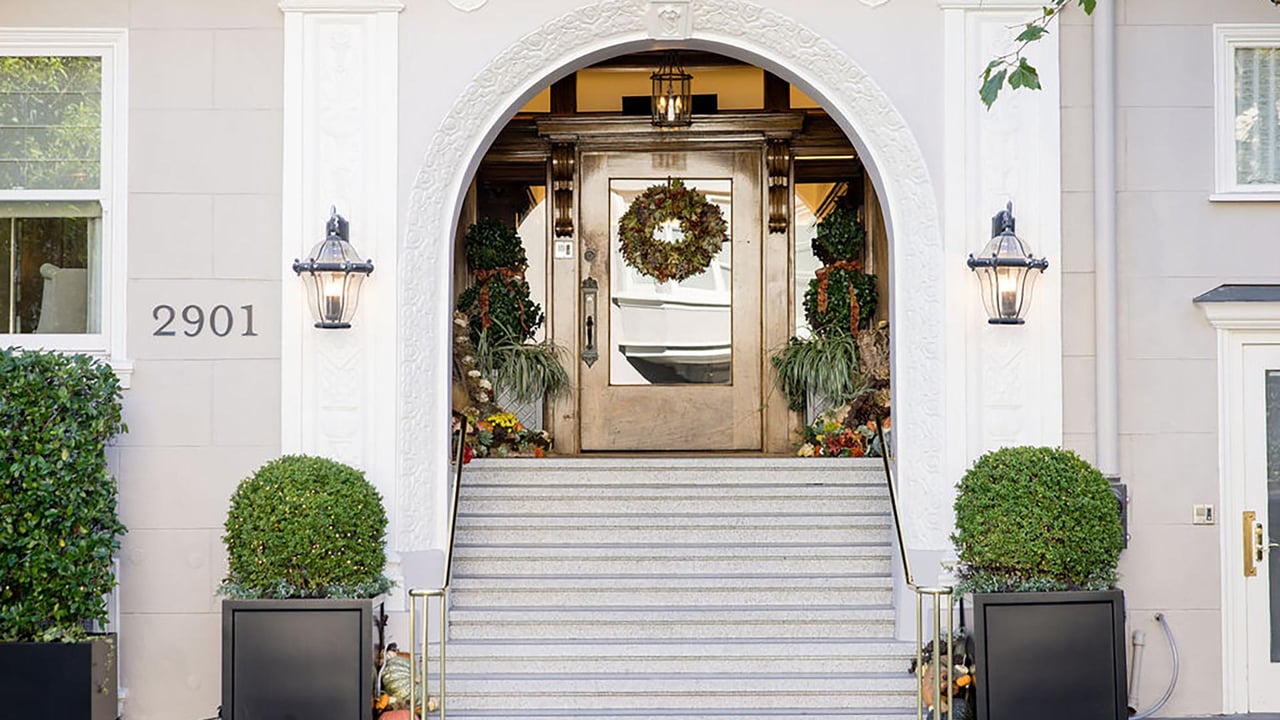
While most people are searching for Black Friday deals, some of the most interesting negotiating opportunities in San Francisco may be found somewhere entirely different: the real estate market.
Every year, as Thanksgiving approaches, San Francisco's housing market undergoes a seasonal shift. Buyers travel, open houses become quieter and attention turns toward the holidays.
By January, many of those same buyers are back, armed with New Year's resolutions, updated financial plans and renewed enthusiasm for purchasing a home.
But what if waiting until the new year is precisely the wrong strategy?
Having helped clients buy and sell San Francisco real estate since 2008, I believe December is one of the most overlooked months for purchasing property.
It isn't necessarily the month with the best inventory or the lowest prices. However, for financially prepared buyers who understand where to look and how to negotiate, it can offer a meaningful strategic advantage.
And the data supports taking a closer look.
The Numbers: Is December Actually the Best Month to Buy in San Francisco?
A November 2026 MLS-based analysis by TurboHome examined 7,572 San Francisco residential sales, including single-family homes, condominiums and townhouses, with contracts signed between November 2024 and September 2026.
The findings reveal a significant difference between December and other months.
San Francisco Home Sale Prices Relative to Original Asking Price
Contract month | Median price difference |
|---|---|
January | +1.5% |
February | +5.4% |
March | +6.7% |
April | +6.9% |
May | +7.5% |
June | +5.3% |
July | +1.4% |
August | +4.1% |
September | +8.3% |
October | +4.4% |
November | 0.0% |
December | −0.8% |
Source: TurboHome, San Francisco seasonal real estate market analysis.
December was the only month in this analysis when the median transaction closed below its original asking price.
Perhaps even more interesting is the percentage of properties selling below their original asking price.
December vs. September: Negotiating Opportunity
December — 51% sold below original asking
██████████░░░░░░░░░░
September — 23% sold below original asking
█████░░░░░░░░░░░░░░░
Market indicator | December | September |
|---|---|---|
Sold below original asking | 51% | 23% |
Average new listings | 92 | 695 |
Median price relative to original asking | −0.8% | +8.3% |
Source: TurboHome MLS-based seasonal market analysis. Text bars represent approximate percentages.
The trade-off is clear: September offers considerably more selection, while December has historically offered greater negotiating flexibility in this dataset.
This does not mean the same property would necessarily sell for less in December. San Francisco's pricing strategies, property mix and available inventory can significantly influence these figures.
Nevertheless, the opportunity is worth investigating.
Why December 2026 Could Be Particularly Interesting
This December arrives at an unusual moment for San Francisco real estate.
Home prices have increased substantially, technology stocks have experienced significant volatility and mortgage rates remain elevated. Meanwhile, housing inventory and contract activity have declined compared with last year.
According to Vanguard Properties' November 2026 Market Update, October's market looked like this:
San Francisco Housing Market at a Glance
October 2026 | Year-over-year comparison
Market indicator | Single-family homes | Condos, TICs & co-ops |
|---|---|---|
Median sale price | $2,380,000 | $1,344,500 |
Median price change | +28.6% | +12.1% |
Contract activity | −8.8% | −10.8% |
Available inventory | −13.2% | −11.2% |
Sold over asking | 86.2% | 69.4% |
Median days on market | 12 | 13 |
Source: Vanguard Properties, November 2026 Market Update, SFAR MLS and BrokerMetrics. Monthly median price changes do not represent individual property appreciation.
Rising Prices. Fewer Contracts.
Single-family homes
Median price growth: +28.6%
██████████████
Contract activity decline: −8.8%
████
Condos, TICs and co-ops
Median price growth: +12.1%
██████
Contract activity decline: −10.8%
█████
Each block represents approximately two percentage points. Direction of change is indicated by the accompanying figures.
These statistics reveal a competitive but constrained housing market.
At the same time, recent technology stock volatility introduces another important variable: buyer confidence.
I explored this relationship in my recent article, AI Stock Market Selloff: Will San Francisco Home Prices Fall?.
If technology employees become more cautious about their equity wealth while seasonal buyer activity slows, December could provide selective opportunities that were difficult to find during the fall.
However, limited housing inventory could continue supporting prices.
Seven Reasons December Could Be the Best Month to Buy San Francisco Real Estate
1. You're Competing Against Fewer Buyers
Many prospective buyers temporarily suspend their home searches during the holidays.
Travel, family commitments and year-end obligations take priority. Others simply decide to restart their search in January.
For buyers who remain active, the advantage isn't necessarily a lower asking price. It's the possibility of negotiating without the same level of competition.
In San Francisco, avoiding even one or two competing offers can significantly change the dynamics of a transaction.
2. Sellers With Older Listings May Be More Flexible
By December, many properties remaining on the market have already experienced the fall selling season.
Some sellers initially priced too aggressively. Others may have received offers that didn't materialize or experienced unexpected delays.
A December 2025 San Francisco market analysis found that more than half of active listings at the beginning of that month had been marketed for longer than two months.
These properties deserve another look.
An overlooked listing isn't necessarily a bad property. Sometimes it's simply a good property that entered the market with the wrong pricing or marketing strategy.
3. Negotiating Power Extends Beyond the Purchase Price
One of the biggest misconceptions about negotiating real estate is that everything revolves around the sale price.
A successful December negotiation could include:
- Seller credits toward eligible closing costs.
- Repairs or credits for documented property deficiencies.
- More favorable closing timelines.
- Financing and inspection contingencies.
- Greater flexibility around possession and moving dates.
In a highly competitive San Francisco market, buyers sometimes feel pressured to sacrifice contractual protections to secure a property.
A quieter market may allow buyers to negotiate terms that better protect their interests.
For some clients, that can be just as valuable as negotiating a lower purchase price.
4. Lower Mortgage Rates Could Bring More Buyers Back
Many prospective buyers are waiting for mortgage rates to decline before purchasing.
The challenge is that improved financing conditions can also attract additional competition.
Consider this hypothetical $1.5 million home purchase with a 20% down payment.
How Mortgage Rates Affect Monthly Payments
Mortgage rate | Loan amount | Monthly principal and interest |
|---|---|---|
7.25% | $1,200,000 | $8,186 |
7.00% | $1,200,000 | $7,984 |
6.50% | $1,200,000 | $7,585 |
6.00% | $1,200,000 | $7,195 |
Illustrative 30-year fixed mortgage calculations. Excludes property taxes, insurance, HOA dues and other ownership expenses. These are hypothetical rates, not loan quotes. Actual jumbo mortgage rates and terms may differ.
Lower interest rates clearly improve monthly affordability.
However, if falling rates attract more buyers and increase competition, some of that financial advantage could be offset by higher purchase prices.
I encourage buyers to evaluate the entire transaction rather than focusing exclusively on the interest rate.
For current national mortgage rate information, visit the Freddie Mac Primary Mortgage Market Survey.
5. You May Avoid the Spring Bidding Wars
San Francisco has a distinctive real estate calendar.
Activity typically builds in the early months of the year, strengthens during spring, moderates in summer and experiences another active period in September and October.
December interrupts that rhythm.
San Francisco's Typical Real Estate Seasons
Season | Inventory | Buyer competition |
|---|---|---|
January–February | Building | Increasing |
March–May | Generally stronger | Often high |
June–August | Variable | Moderate to variable |
September–October | Generally stronger | Often high |
November–December | Generally limited | Often softer |
General seasonal tendencies, not a forecast. Individual properties and neighborhoods may perform differently.
While spring generally offers more inventory, it can also introduce more buyers competing for the same desirable homes.
Purchasing during the quieter winter period may allow you to negotiate before that competition returns.
6. Condominiums May Offer Particularly Interesting Opportunities
Condo buyers should pay close attention to buildings with multiple comparable units available.
In neighborhoods such as South Beach, the East Cut, Mission Bay and South of Market, buyers can sometimes compare several properties with similar amenities, floor plans and locations.
The opportunity is not necessarily finding the cheapest condominium. It's finding the strongest overall value.
HOA dues, insurance, reserve funding, special assessments and financing eligibility should all be considered alongside the purchase price.
A well-negotiated purchase in a financially healthy building can be considerably more attractive than a heavily discounted property with significant ownership risks.
7. You Can Enter 2027 With Your Housing Plans Settled
There is also a practical advantage to purchasing before the traditional spring market.
Instead of spending the first several months of 2027 searching, attending open houses and competing for properties, you could already be preparing to move into your new home.
For buyers planning a relocation, purchasing a larger property or moving closer to work, that certainty can be valuable.
Sometimes the greatest advantage isn't what you save financially. It's the time and uncertainty you eliminate.
Which San Francisco Neighborhoods Should December Buyers Watch?
San Francisco is not one real estate market. Each neighborhood has its own inventory constraints, architectural characteristics and pricing dynamics.
Here are several areas I would watch closely this December.
Neighborhood | Potential opportunities to investigate |
|---|---|
Inner Mission | Condominiums and older listings with pricing adjustments |
Potrero Hill | Properties overlooked during the fall market |
NOPA and Alamo Square | Condos, TICs and distinctive architectural properties |
Hayes Valley | Comparable condominium inventory |
South Beach and East Cut | Building-level competition and luxury condominiums |
Pacific Heights | Established luxury listings |
Richmond District | Single-family homes with improvement potential |
Bernal Heights | Properties with extended marketing periods |
Noe Valley and Cole Valley | Selective opportunities in supply-constrained markets |
These are areas to investigate, not predictions of neighborhood-wide discounts.
Explore my San Francisco neighborhood guides to learn more about individual communities and their unique characteristics.
The Biggest Disadvantage of Buying in December
There is one significant downside: selection.
The same MLS-based seasonal study found an average of approximately 92 new San Francisco listings in December, compared with 695 in September.
New Listing Availability
September — 695 average new listings
████████████████████
December — 92 average new listings
███
Source: TurboHome seasonal market analysis. Bars represent approximate relative listing volume.
That is a substantial difference.
Additionally, a separate historical analysis of San Francisco single-family home sales found that attractive homes selling quickly during December could still command premiums comparable to those achieved in October.
The calendar alone does not create a bargain.
If you have highly specific requirements involving location, architecture, outdoor space, parking or floor plan, waiting for additional inventory may be the better strategy.
My advice is to remain active without feeling obligated to purchase.
The objective is to identify an exceptional opportunity, not to buy something simply because it is December.
My Five-Step December Homebuying Strategy
If I were helping a buyer enter the San Francisco market this December, I would focus on five things.
1. Review properties with extended market time.
Understand why each property hasn't sold. Is it overpriced, poorly presented, affected by financing challenges or simply overlooked?
2. Investigate previous price reductions and withdrawn listings.
Some homeowners who were unsuccessful during the fall market may be receptive to a renewed conversation.
3. Explore private-market and coming-soon opportunities.
As a member of Top Agent Network, I maintain professional relationships that can help identify select opportunities outside the traditional public search portals, when available and authorized.
4. Complete financing preparations early.
Holiday schedules can affect lenders, inspectors, appraisers and escrow companies. Being financially prepared can strengthen your negotiating position.
5. Establish market value independently of the asking price.
A property selling below asking isn't necessarily a bargain. Recent comparable sales, condition, location and ownership costs provide a much stronger foundation for determining value.
The best opportunities are often discovered through preparation, research and direct negotiation rather than simply refreshing a real estate search website.
Should San Francisco Homeowners Wait Until Spring to Sell?
While this article focuses on buyers, December's seasonal market dynamics also offer an important lesson for sellers.
Waiting until spring can provide access to a larger buyer pool, but it can also mean competing against more listings.
For homeowners considering selling in early 2027, December is an excellent time to evaluate property improvements, staging, pricing strategy and potential launch dates.
A thoughtful preparation strategy can help your property stand out when buyer activity increases.
For more information, read my article, Should I Sell My San Francisco Home in 2026 or Wait Until 2027?.
Curious what your property is worth? Request a complimentary San Francisco home evaluation.
Frequently Asked Questions About Buying a Home in San Francisco During December
Is December the cheapest month to buy a home in San Francisco?
Not necessarily in absolute dollar terms. Recent MLS-based research found that December buyers paid the lowest median percentage of original asking price. However, property mix, location and condition influence actual purchase prices.
Are home sellers more motivated during the holidays?
Some are, particularly when their properties have been available for an extended period. However, other sellers may prefer to wait until spring rather than accept an unfavorable offer.
Should I wait until mortgage rates decline in 2027?
That depends on your financial circumstances. Lower rates could improve affordability, but they could also attract additional buyers. Purchasing should be based on sustainable ownership costs rather than assumptions about future refinancing.
Is December a good month to buy a San Francisco condo?
It can be, particularly in buildings with several competing listings. Buyers should carefully evaluate building finances, insurance, HOA obligations and comparable sales.
Can I negotiate a lower price during December?
Potentially. Reduced competition and extended listing periods can create negotiating opportunities. However, exceptional and competitively priced properties may still receive multiple offers.
Is it better to buy in December or January?
December may offer greater negotiating flexibility in certain situations, while January may begin bringing additional inventory to market. The better decision depends on the property, your financial readiness and your individual requirements.
The Bottom Line: The Best Opportunities Don't Always Follow the Calendar
The best time to buy a home in San Francisco isn't necessarily when the most properties are available.
Sometimes, it's when fewer people are paying attention.
December 2026 presents an interesting combination of seasonal market dynamics, elevated financing costs, technology wealth uncertainty and limited housing supply.
For some buyers, waiting until spring will provide better choices.
For others, the right opportunity may already be sitting on the market, waiting for someone to recognize its value.
After years of working in San Francisco real estate, I believe successful buyers are not necessarily the ones who perfectly time the market. They're the ones who recognize opportunity when it presents itself and are prepared to act.
My recommendation is simple: don't put your real estate search on hold just because everyone else is celebrating the holidays.
You might discover that your most meaningful purchase of the year wasn't made on Black Friday after all.
Let's Find Your San Francisco Real Estate Opportunity
Whether you're searching for your first condominium, your next single-family home, a luxury residence or an investment property, I can help you evaluate the opportunities available in today's San Francisco real estate market.
My approach goes beyond simply identifying available homes. I help clients understand market value, evaluate property-specific risks, identify negotiating opportunities and develop strategies aligned with their long-term goals.
I offer complimentary, confidential real estate consultations tailored to your individual needs.
Connect With Me About Your San Francisco Home Search
Already own a property and considering your next move?
Request Your Complimentary Home Evaluation
Explore My Real Estate Case Studies
About Matt Woebcke
Matt Woebcke is a San Francisco REALTOR® and Senior Sales Associate at Vanguard Properties. Helping clients buy and sell San Francisco real estate since 2008, he has been recognized by RealTrends among America's Best Real Estate Professionals, placing in the top 1.5% of agents nationwide.
A member of Top Agent Network, Matt specializes in luxury residential sales, single-family homes, condominiums, investment properties, rentals and private-market opportunities throughout San Francisco.
His approach combines neighborhood expertise, strategic marketing, market analysis and sophisticated negotiation to help clients make informed real estate decisions.
Matt Woebcke | Vanguard Properties
The Right Address Changes Everything.
Market analysis prepared November 25, 2026, for publication November 27, 2026. Historical market performance does not guarantee future results. Mortgage calculations are illustrative. Individual property values and market conditions vary.