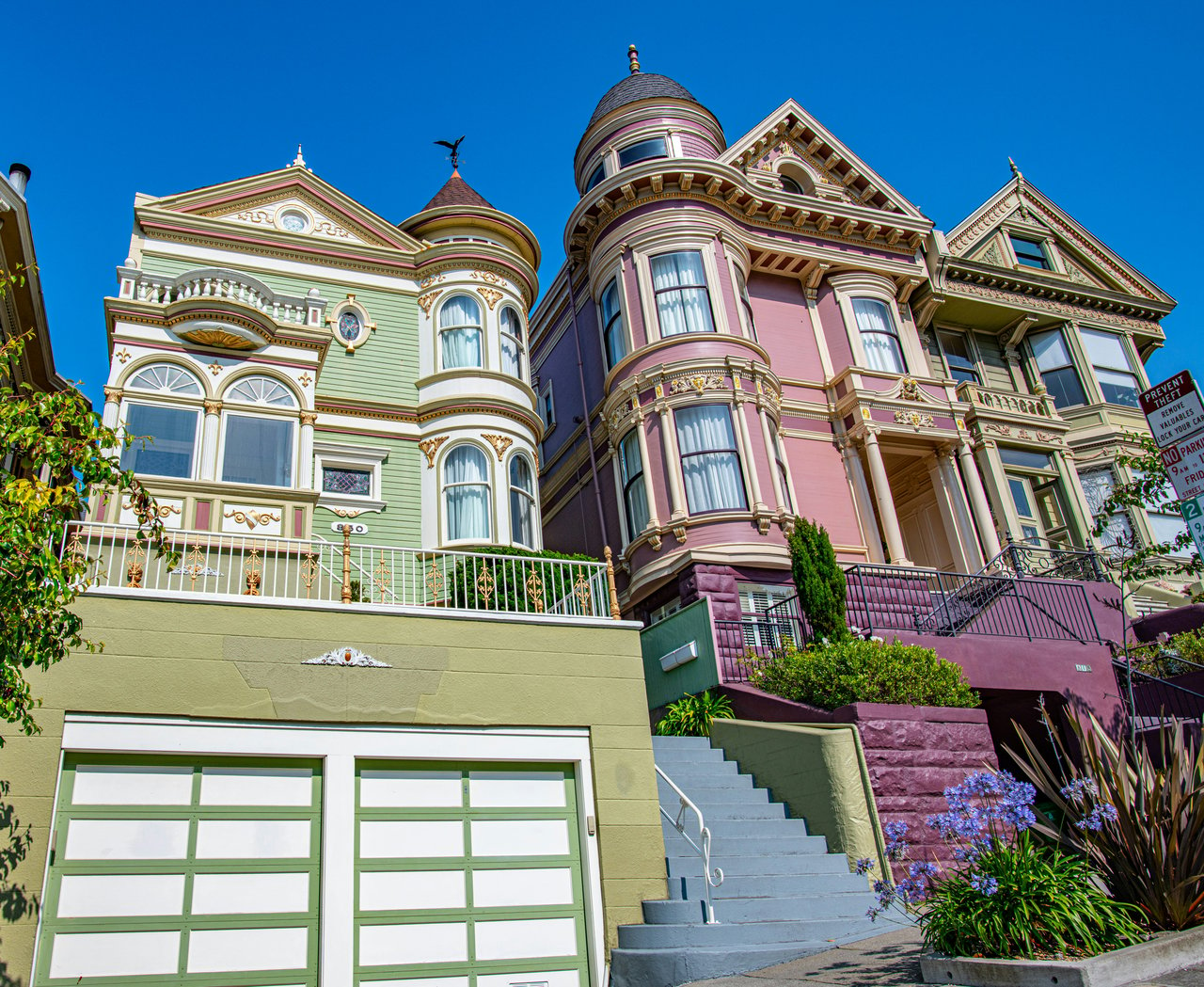
Thinking about selling a tenancy-in-common property in San Francisco? The first half of 2026 demonstrated that well-positioned TIC homes can still attract strong buyer interest, but successful results depend heavily on pricing, preparation, financing and presentation.
TIC properties do not all perform the same way. Value can vary significantly depending on the neighborhood, condition, floor plan, parking, outdoor space, financing structure and quality of the TIC documentation.
Selling a TIC is also different from selling a condominium. Buyers may have questions about fractional financing, shared expenses, the TIC agreement and how decisions are made within the building. Sellers who address these issues before going on the market are usually in a stronger position.
During the first half of 2026, I represented the seller of a TIC on Dolores Street and the buyer of a TIC on Church Street. These two transactions gave me firsthand insight into how much pricing, preparation and marketing can influence the outcome. Even properties within the same general market can attract different buyers and achieve very different results depending on their size, condition, amenities and ownership structure.
The goal is not merely to list the property. It is to reduce uncertainty, explain the ownership structure clearly and present the home as an appealing alternative to a comparably located condominium.
Thinking About Selling a TIC in San Francisco?
Get a confidential, property-specific opinion of value based on recent TIC sales, current competition, financing structure, condition and buyer demand.
What Happened in the San Francisco TIC Market During the First Half of 2026?
Sales during the first half of 2026 show that there is no single pricing formula for a San Francisco TIC.
In a comparable market analysis prepared through July 21, 2026, 16 selected closed properties in San Francisco Districts 5 and 9 had sale prices ranging from approximately $639,000 to $2.5 million. The median sale price was $1.07 million, while the average sale price was approximately $1.266 million.
The closed properties averaged approximately 1,122 square feet and sold for an average of roughly $1,114 per square foot.
These statistics are based on 16 selected San Francisco MLS-reported TIC sales in Districts 5 and 9 that closed between January 1 and July 21, 2026. They represent selected comparable transactions and do not include every TIC sale in San Francisco.
These results covered a broad range of homes, from smaller one-bedroom residences to larger three- and four-bedroom properties. They reinforce why sellers should not rely solely on a neighborhood average or a generic price-per-square-foot calculation.
Several properties sold considerably above their asking prices. Others required longer marketing periods or sold below their original list prices.
The difference often came down to presentation, condition, location, pricing and how effectively the property competed with the alternatives available to buyers.
Two Recent San Francisco TIC Sales
Recent results provide useful context, but every TIC requires its own pricing and marketing strategy. During the first half of 2026, I represented clients in two very different TIC transactions: the seller of a two-bedroom residence on Dolores Street and the buyer of a one-bedroom residence on Church Street.
Dolores Street TIC Sale
2 bedrooms | 2 bathrooms | Approximately 1,021 square feet | Parking
Sold for $1,450,000
Approximately $1,420 per square foot
The two-bedroom, two-bathroom residence on Dolores Street sold for $1.45 million in March 2026. This sale demonstrates how a well-positioned TIC in a desirable location can command a premium.
Buyers were not evaluating square footage alone. The home’s floor plan, condition, architectural character, parking and overall lifestyle all contributed to its value.
Church Street TIC Sale
1 bedroom | 1 bathroom | Approximately 708 square feet
Sold for $750,000
Approximately $1,059 per square foot
I represented the buyer of the one-bedroom residence on Church Street, which sold during the first half of 2026 for $750,000.
The Church Street sale represents a different segment of the TIC market. One-bedroom TICs can attract buyers seeking an accessible entry point into a desirable San Francisco neighborhood, particularly when the property offers more character, space or location value than similarly priced condominiums.
Together, these sales show why a TIC should not be valued using a one-size-fits-all formula. A one-bedroom home and a two-bedroom home may attract different buyers, require different pricing strategies and need different marketing messages.
Other Notable First-Half 2026 Sales
The comparable sales also show substantial differences within the broader market.
A two-bedroom, two-bathroom property at 269 Chattanooga Street sold for $1.215 million after being listed at $995,000.
A three-bedroom, two-bathroom property at 1610 Dolores Street sold for $1.8 million after being listed at $1.695 million.
A three-bedroom, three-bathroom property at 3821 23rd Street sold for $2.3 million.
At the other end of the range, a two-bedroom property on Coleridge Street sold for approximately $639,000, while a one-bedroom property at 234 27th Street sold for $665,000.
The range is wide because the term “TIC” describes an ownership structure, not a uniform type of home.
A renovated top-floor residence with parking and outdoor space should not be evaluated in the same way as a smaller property that needs work, lacks parking or has more complicated financing.
Are TICs Harder to Sell Than Condominiums?
A TIC is not necessarily difficult to sell, but it must be prepared and marketed correctly.
The buyer pool can be smaller because some buyers are unfamiliar with TIC ownership and not every lender offers TIC financing. Buyers may also need additional time to review the building’s documents, insurance, finances and maintenance history.
However, TICs can offer compelling advantages. Buyers may be able to purchase a larger home, enter a more desirable neighborhood or obtain period architecture and character at a lower price than a comparable condominium.
Successful TIC sales generally have:
• A clear and current TIC agreement
• Organized financial and building records
• Realistic pricing based on relevant TIC sales
• Financing options from experienced TIC lenders
• Marketing that emphasizes both the home and the ownership structure
Start With the TIC Agreement
The TIC agreement is one of the most important documents in the transaction.
Before listing, sellers should locate the complete, signed agreement and confirm that it accurately reflects the current ownership and use of the property.
The agreement should generally address:
• Each owner’s percentage interest
• The residence or space assigned to each owner
• Allocation of property taxes, insurance and utilities
• Responsibility for maintenance and repairs
• Monthly building contributions
• Reserve funds
• Voting and decision-making procedures
• Refinancing and resale provisions
• Default and dispute-resolution procedures
An outdated or incomplete agreement does not necessarily prevent a sale, but it can create concern for buyers and lenders. Sellers may benefit from having a qualified San Francisco TIC attorney review the agreement before the property goes on the market.
Organize the Building’s Financial Records
Even in a small, informally managed building, buyers want to see that expenses and maintenance have been handled responsibly.
Sellers should begin collecting:
• Current property insurance information
• Property tax records
• Shared utility bills
• Recent repair invoices
• Shared bank account statements
• Reserve information
• Records of owner contributions
• Information about upcoming work or assessments
• Documentation of major building improvements
A lack of records can make a buyer nervous, even when the building is financially sound.
Clear documentation gives buyers confidence and helps prevent avoidable delays during escrow.
Understand the Existing Financing
Financing can significantly affect the marketability of a TIC.
Some TIC interests have individual fractional loans. Others may be connected to a shared group loan. Fractional financing is generally easier for buyers to understand because each owner has an individual loan associated with their ownership interest.
Before listing, the seller should confirm:
• Whether the current loan is fractional or shared
• Whether there is a prepayment penalty
• Whether another owner’s approval is required
• Which lenders currently finance similar TIC interests
• What down payment a buyer may need
• Whether the TIC agreement meets lender requirements
A lender experienced with San Francisco TICs should review the ownership structure early in the process. Waiting until the property is in contract can create unnecessary uncertainty.
How Much Is My San Francisco TIC Worth?
The value of a San Francisco TIC depends on much more than its bedroom count and square footage.
Important factors include:
• Neighborhood and location within the building
• Condition and quality of renovations
• Parking and storage
• Exclusive-use outdoor space
• Natural light, views and floor level
• Fractional or group financing
• Monthly shared expenses
• Tenant occupancy
• Building condition and reserves
• The quality of the TIC agreement
• Recent competing TIC and condominium sales
The first-half 2026 comparable sales ranged from approximately $866 per square foot to more than $1,420 per square foot among homes with reported square footage.
That broad range shows why an online estimate or citywide price-per-square-foot figure is rarely enough. A property-specific analysis should compare the home with the TICs and condominiums most likely to compete for the same buyers.
Request a Property-Specific TIC Valuation
Online estimates and citywide averages rarely account for the details that can materially affect a TIC’s value.
A customized analysis should consider the property’s location, floor level, condition, parking, outdoor space, tenant status, financing structure, TIC agreement and the active listings competing for the same buyers.
How Should a San Francisco TIC Be Priced?
A TIC should not automatically be priced like a condominium with the same bedroom count or square footage.
The pricing analysis should consider:
• Recent TIC sales
• Active competing TIC listings
• Comparable condominium sales
• The property’s financing structure
• Parking
• Exclusive-use outdoor space
• Storage
• Condition and renovations
• Floor level and natural light
• Building maintenance
• Monthly shared expenses
• Tenant occupancy
• The clarity of the TIC agreement
Price per square foot is useful, but it should never be the only measure.
Buyers may pay a substantial premium for a beautifully presented home with a desirable floor plan, parking, natural light and a prime location.
Tenant Occupancy Can Affect the Sale
A tenant-occupied TIC requires careful planning.
Tenant occupancy can affect:
• The market value
• The available buyer pool
• Access for showings
• Financing
• The buyer’s ability to occupy the property
• The marketing timeline
• Disclosure obligations
Sellers should consult an experienced San Francisco landlord-tenant attorney before negotiating a tenant buyout, serving notices or making statements about whether a future buyer will be able to occupy the home.
Vacant possession may improve marketability in some cases, but it must be obtained legally and properly documented.
Do Not Promise Future Condominium Conversion
Buyers often ask whether a TIC might eventually be converted into a condominium.
Sellers and agents should not present conversion as a certainty.
Eligibility can depend on the number of units, ownership history, tenant history, previous evictions, physical building conditions and San Francisco regulations.
Potential conversion should be treated as something the buyer must independently investigate, not as a guaranteed source of future appreciation.
Prepare the Home and Building for the Market
Physical presentation still matters.
Before photography and showings, sellers should consider:
• Completing visible repairs
• Addressing leaks or water intrusion
• Improving lighting
• Reducing excessive furniture
• Creating clearly defined rooms
• Cleaning shared entrances and hallways
• Organizing storage areas
• Clarifying parking arrangements
• Making exclusive-use spaces easy to identify
Shared areas matter more in a TIC sale than many sellers realize. The buyer is evaluating not only the individual residence but also the overall building and the owners’ ability to maintain it.
Market the Home, Not Just the Ownership Structure
The listing should disclose and explain the TIC ownership clearly, but the marketing should still lead with the lifestyle.
Buyers respond to:
• Neighborhood location
• Architectural details
• Natural light
• Outdoor space
• Parking
• Flexible floor plans
• Renovated kitchens and bathrooms
• Views
• Work-from-home space
• Proximity to restaurants, parks and transportation
The TIC structure should then be explained in a straightforward way, including helpful details about fractional financing, the TIC agreement and building management.
The objective is transparency without allowing the ownership structure to overshadow the property’s strongest features.
Common Mistakes San Francisco TIC Sellers Make
Common mistakes include:
• Pricing the TIC exactly like a condominium
• Relying on irrelevant citywide averages
• Waiting too long to locate the TIC agreement
• Failing to investigate the existing loan
• Making unsupported statements about condo conversion
• Ignoring tenant or permit issues
• Going on the market without organized disclosures
• Accepting an offer without carefully evaluating the buyer’s lender
A high offer with uncertain TIC financing may be less attractive than a slightly lower offer from a well-qualified buyer working with an experienced lender.
Frequently Asked Questions About Selling a TIC in San Francisco
Is a TIC harder to sell than a condominium?
A TIC is not necessarily harder to sell, but the transaction can require more explanation and preparation. Buyers may have questions about financing, the TIC agreement, shared expenses and building management. Clear documentation and an experienced TIC lender can make the process easier.
Can I sell my TIC if the other owners do not want to sell?
In many cases, an individual owner can sell their percentage interest without the other owners selling their interests. However, the TIC agreement may contain notice requirements, rights of first refusal or other resale provisions. Sellers should review the agreement with a qualified attorney before listing.
Does a TIC need fractional financing to sell?
Not necessarily, but fractional financing can make the ownership structure easier for buyers and lenders to understand. Properties with group loans may require additional coordination and could attract a smaller pool of qualified buyers.
Can I sell a tenant-occupied TIC?
A tenant-occupied TIC can be sold, but occupancy may affect value, financing, showings and the buyer’s ability to move into the property. San Francisco’s tenant-protection rules are complex, so sellers should obtain legal advice before making representations about vacancy or future occupancy.
How long does it take to sell a TIC in San Francisco?
The timeline depends on pricing, condition, location, financing and buyer demand. Properties that are accurately priced, carefully prepared and supported by complete documentation generally have a stronger chance of selling efficiently.
Should I price my TIC like a condominium?
Usually not. Condominium sales can provide useful context, but TICs should primarily be evaluated against relevant TIC sales while accounting for financing, parking, outdoor space, condition, occupancy and the ownership agreement.
Should You Sell Your TIC in 2026?
The first half of 2026 showed that San Francisco TICs can perform well when they are properly priced and presented.
The right strategy depends on the property’s location, condition, ownership structure, financing and occupancy.
Before going on the market, sellers should answer:
• What have comparable TICs actually sold for?
• Which listings will compete for the same buyers?
• How will a buyer finance the purchase?
• Is the property worth more vacant or occupied?
• Will repairs or document updates improve the result?
• What pricing strategy will generate urgency?
There is no one-size-fits-all TIC price. The best outcome comes from understanding how buyers will compare the property and resolving potential concerns before the listing becomes public.
Considering Selling a TIC in San Francisco?
Having recently represented a TIC seller on Dolores Street and a TIC buyer on Church Street, I understand how differently San Francisco TIC properties can perform depending on their size, location, condition, financing and target buyer.
Before recommending a price, I review the ownership structure, TIC agreement, financing, occupancy, building condition and the most relevant recent sales. I then create a customized strategy for preparing, pricing and marketing the property.
Thinking about selling a TIC in San Francisco? Contact me for a confidential property valuation, a review of recent TIC sales and a customized selling plan.
Matt Woebcke & Chrissy Luciano
Vanguard Properties
415.553.0206
CA DRE 01831584
The Right Address Changes Everything.
This article is provided for general real estate information and is not legal, tax or lending advice. TIC owners should consult qualified attorneys, lenders and tax professionals regarding their specific property.